




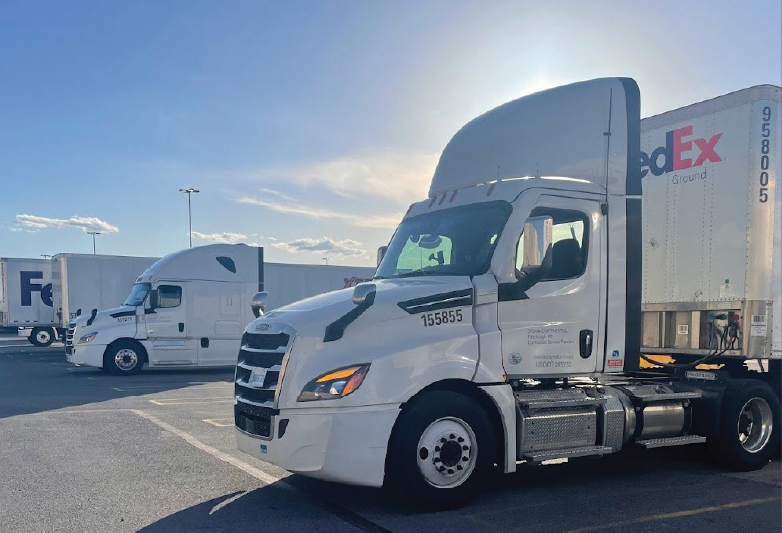
Building Strong FedEx Teams: Why Matching Drivers is Critical for Linehaul Safety and Success
In the world of FedEx Linehaul, safety and efficiency are the backbone of every successful operation. For Transportation Service Providers (TSPs), driver performance not only impacts day-to-day operations but also long-term growth opportunities within the FedEx Ground network.
One strategy that many FedEx Linehaul TSPs use to increase efficiency and meet demanding schedules is team driving. With FedEx Teams, two drivers share a truck and alternate shifts to keep freight moving nearly nonstop. But while team driving provides significant benefits, it also introduces new challenges—particularly around safety, compliance, and driver compatibility.
At Sigma Transport, we believe that the success of FedEx Teams depends on more than just logistics. Matching the right drivers together is critical for both safety and long-term operational success.
Why Driver Compatibility Matters in FedEx Teams
In single-driver operations, safety is largely determined by the habits and performance of one individual. In a team operation, however, two people must share not just the truck but also the responsibility for maintaining safety and efficiency.
The reality is that team drivers spend long hours together in confined spaces. Without compatibility, minor differences in habits, communication styles, or expectations can escalate into conflict. These conflicts may impact driver focus, increase fatigue, or even compromise compliance—all of which can affect a contractor’s Safety Results Score (SRS).
A well-matched FedEx Team, on the other hand, can be a major asset for a contractor. Compatible drivers support one another, communicate clearly, and help maintain high safety standards on the road.
Key Factors in Matching FedEx Linehaul Teams
Successful FedEx Linehaul TSPs consider more than just driving credentials when forming teams. At Sigma Transport, we recommend focusing on several important criteria:
1. Geographic Proximity
Matching drivers who live within a reasonable distance of one another makes scheduling and logistics far easier. For example, Werner Enterprises suggests a 150-mile guideline for team compatibility. Keeping drivers local minimizes commute fatigue and streamlines operations.
2. Lifestyle and Preferences
Details such as smoking or non-smoking, pet tolerance, or even preferred driving shifts matter. When overlooked, these differences can create unnecessary tension during long runs. Matching drivers with compatible habits fosters a smoother working environment.
3. Existing Relationships
If drivers already want to team up—for instance, spouses, family members, or close friends—it often leads to stronger cooperation on the road. Encouraging these natural partnerships helps improve retention and morale.
4. Professional Attitudes
Beyond lifestyle, effective FedEx Teams require drivers who share similar professional values. Drivers who prioritize safety, communicate well, and demonstrate accountability are ideal candidates for successful team driving.
Leveraging Technology to Support FedEx Teams
Some carriers, like Werner, have implemented digital systems that allow drivers to input their preferences—such as location, smoking habits, or gender comfort levels—and automatically match them with compatible teammates. The key is giving drivers a voice in the process.
While FedEx Linehaul TSPs may not have access to proprietary systems like Werner’s, they can adopt similar practices internally:
- Collect preference information during driver onboarding.
- Maintain an internal database for pairing drivers based on compatibility.
- Allow drivers to confirm or decline pairings before being assigned.
This balance of structure and driver choice ensures stronger partnerships, better performance, and higher retention.
Benefits of Strong FedEx Teams for Linehaul Contractors
When TSPs invest in matching the right drivers, the benefits go beyond just smoother runs.
- Improved Safety: Compatible drivers experience fewer conflicts, communicate more effectively, and stay alert, leading to safer operations.
- Greater Efficiency: Team drivers who work well together can seamlessly transition between shifts, reducing downtime and improving on-time performance.
- Higher Morale and Retention: Drivers who feel comfortable with their teammates are more likely to stay long-term, reducing turnover costs.
- Better FedEx Opportunities: Strong safety and performance records directly impact a contractor’s SRS, opening the door to more desirable routes and growth opportunities.
Building a Culture of Safety and Success
For FedEx Linehaul contractors, building effective FedEx Teams is about more than just filling trucks—it’s about creating a culture of accountability, safety, and partnership. By carefully considering driver compatibility, using technology to streamline matching, and empowering drivers with a say in the process, Sigma Transport ensures that our teams operate at the highest level of safety and efficiency.
At the end of the day, success as a FedEx Linehaul TSP comes down to people. Matching the right drivers is not just about operational convenience—it is about protecting safety, improving performance, and unlocking long-term opportunities within the FedEx Ground network.